

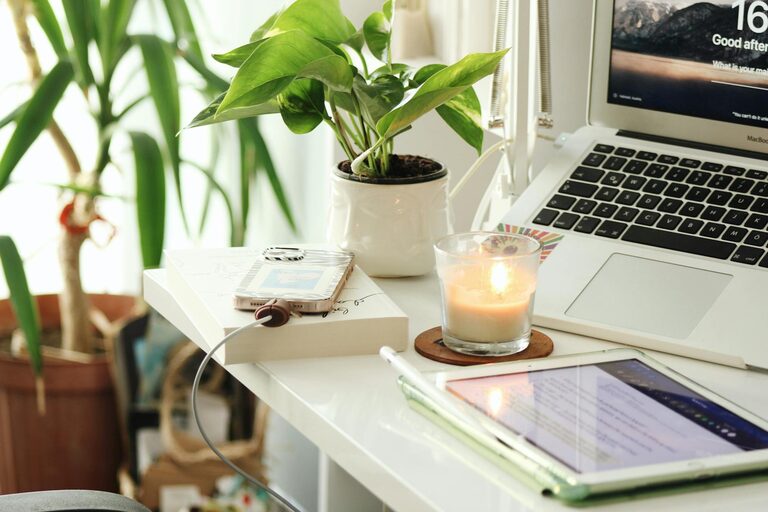
Creating a home office that is both cozy and productive is key to enjoying your work and achieving your goals. Whether you’re working remotely full-time or occasionally need a quiet spot, an inviting and efficient workspace can make a big difference. This guide will walk you through practical steps to design a home office that supports focus, creativity, and comfort.
1. Choose the Right Location
Consider natural light and quietness
Select a spot in your home that gets plenty of natural light, as it can improve mood and reduce eye strain. Avoid areas with lots of distractions or noise. If a quiet corner isn’t available, try adding noise-cancelling headphones or soft background music to help maintain focus.
Make use of available space wisely
Even a small nook can be turned into an effective workspace. Think about converting a section of your living room, bedroom, or even a hallway. Just be sure the space allows for the essentials: desk, chair, and enough room to move comfortably.
2. Invest in Comfortable and Functional Furniture
Ergonomic chair and desk
A comfortable chair that supports your posture is crucial if you’ll be sitting for long hours. Adjustable chairs can help avoid back and neck pain. Similarly, choose a desk that fits your space and provides enough surface area for your computer, notebooks, and other tools.
Optimize desk layout
Keep your most-used items within arm’s reach to minimize distractions and interruptions. Use desk organizers or drawer units to keep clutter at bay.
3. Enhance Lighting for Comfort and Focus
Layer your lighting
Combine natural light with artificial sources. Task lighting, such as a desk lamp with adjustable brightness, ensures you have enough light when working on detailed tasks. Warm ambient lighting can create a cozy atmosphere without causing glare on your screen.
Avoid harsh glare and shadows
Position your desk and screens to minimize reflections. If possible, place your computer perpendicular to windows to reduce screen glare.
4. Personalize Your Space
Add decor that motivates and soothes
Incorporate personal touches like artwork, plants, or inspirational quotes that make the space inviting. Plants not only add color but also improve air quality and reduce stress.
Use colors thoughtfully
Soft, neutral shades tend to create a calm environment, while pops of bright colors can boost creativity and energy. Choose tones that resonate with you and enhance your mood.
5. Organize for Efficiency and Clarity
Utilize storage solutions
Shelves, baskets, and filing systems help keep paperwork and supplies organized and easy to find. Digital organization tools can also reduce physical clutter.
Establish a system for daily tasks
Keep a planner or a to-do list visible to track projects and deadlines. Apps or bullet journals work well for this and help maintain focus throughout the day.
6. Minimize Distractions
Set boundaries
Inform household members of your work hours to reduce interruptions. Consider using a dedicated phone number or email to separate work communications from personal ones.
Manage digital distractions
Turn off unnecessary notifications, close unrelated tabs, and schedule regular breaks to maintain focus and prevent burnout.
7. Prioritize Comfort and Wellness
Take breaks to move
Set reminders to stretch, walk around, or do quick exercises. Movement supports both physical health and mental clarity.
Keep essentials handy
Have water, healthy snacks, and any comfort items nearby to avoid frequent trips away from your desk.
Maintain good air quality
Open windows when possible or use an air purifier to create a fresher and more calming environment.
—
Designing a home office that is cozy and productive takes thoughtfulness and a bit of creativity, but the results can significantly boost your work satisfaction and efficiency. By carefully selecting your location, furniture, lighting, and decor, while keeping organization and well-being a priority, you’ll create a workspace that supports your best work every day.