

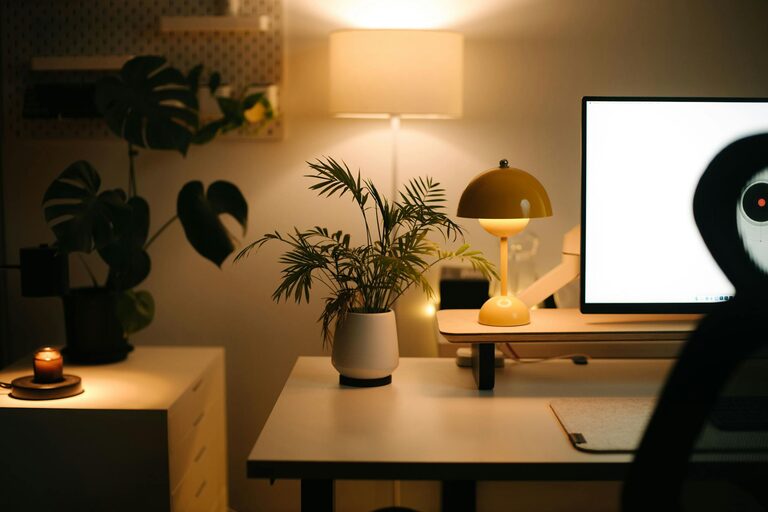
Creating a cozy and inviting home workspace is essential for productivity and comfort, especially as many people continue to work remotely or on flexible schedules. A well-designed workspace can help reduce stress, boost creativity, and make working from home more enjoyable. Whether you have a dedicated room or a small corner, these tips will help you transform your area into a comfortable, functional, and welcoming space.
Choose the Right Location
Selecting the best spot in your home for your workspace is the first step. Consider a place with good natural light to help uplift your mood and keep you energized throughout the day. Near a window is ideal, but if that’s not possible, bright artificial lighting can also work.
If possible, pick a quiet area away from heavy foot traffic and distractions. A space with a door is preferable so you can close it off when working or attending virtual meetings. However, if space is limited, creating boundaries with room dividers or bookshelves can help define your workspace.
Focus on Ergonomics
Comfort is key when spending hours at your desk. Invest in an ergonomic chair that provides proper support to your back and encourages good posture. Your desk and chair height should allow you to keep your wrists straight and your feet flat on the floor or on a footrest.
Position your computer screen at eye level to reduce neck strain. A laptop stand or an external monitor can make a big difference in comfort. Also, include a keyboard and mouse that fit your needs to avoid unnecessary tension.
Personalize Your Space
A workspace that feels personal and inspiring can enhance your motivation. Decorate with items that bring you joy or spark creativity, like favorite artwork, plants, or meaningful photos. Greenery is especially effective—it not only brightens your area but also improves air quality and reduces stress.
Use colors that make you feel calm and focused. Soft blues or greens are often recommended, but warm tones like beige, soft pink, or light yellow can create a cozy atmosphere.
Organize for Efficiency and Calm
Clutter can quickly disrupt your focus and make your workspace feel chaotic. Use storage solutions such as shelves, drawers, and desk organizers to keep supplies within reach but out of the way.
Label containers and drawers to find items quickly. Keep only the essentials on your desk and file or store paperwork regularly. Using cable organizers can also reduce tangled wires and create a cleaner look.
Add Comfortable Textiles
Introduce soft textiles to your workspace to add warmth and comfort. A cozy rug underfoot can make standing or sitting more pleasant. Cushions or a throw blanket on your chair can also help you feel snug during long work sessions.
Choose fabrics that are easy to clean but still inviting. Natural fibers like cotton or wool provide comfort without overheating.
Manage Lighting Thoughtfully
Good lighting is crucial for both comfort and focus. Avoid harsh overhead lights that create glare or eye strain. Instead, use adjustable desk lamps or floor lamps with warm bulbs.
Dimmer switches or multiple light sources allow you to customize the brightness throughout the day. During early mornings or late evenings, softer lighting can help ease your transition to or from work mode.
Incorporate Calming Scents and Sounds
A pleasant scent can subtly improve your mood and concentration. Consider using essential oil diffusers or scented candles with fragrances like lavender, eucalyptus, or citrus.
Background sounds such as soft instrumental music or nature sounds can also help reduce distractions and create a calm environment. Noise-canceling headphones are a great option if you live in a noisy area.
Create a Functional Layout
Arrange your furniture and supplies to support your workflow. Keep frequently used items within arm’s reach to minimize disruptions. Ensure enough surface space for your computer, notebooks, or other tools you use.
If possible, allow space to move or stretch periodically. Some people benefit from a sit-stand desk, which helps incorporate movement during long workdays.
Establish Boundaries and Routines
Finally, to maintain the cozy and inviting feel of your workspace, establish clear boundaries between work and personal life. Use your workspace only for work-related activities when possible, so your brain associates the area with focus and productivity.
Set routines to start and end your workday, and take breaks away from your desk. A defined schedule helps you make the most of your cozy workspace without feeling overwhelmed.
—
Creating a cozy home workspace doesn’t require a big budget or a lot of space. With thoughtful choices in lighting, furniture, organization, and personal touches, you can design an environment that supports your work and well-being. Try incorporating these tips step by step, and enjoy the comfort and productivity that come with a welcoming home workspace.